 Up to 10 people
Turtle snorkel tour
Small group from Cebu
- At Moalboal
- 1.5 hours
- Youngest age
- 7
- Price
- from $117
Guides
Language
EnglishCurrency
US dollar · $Your currency applies on GetYourGuide too.
Guide · Sea turtles
Turtles graze close to the sardines off Panagsama and around the island offshore. Here is where and when to look, how to tell the two species apart and how to share the water without disturbing them.
Editorial team, moalboal-diving.comUpdated October 22, 20266 minutes to read22 sources
Quick answer
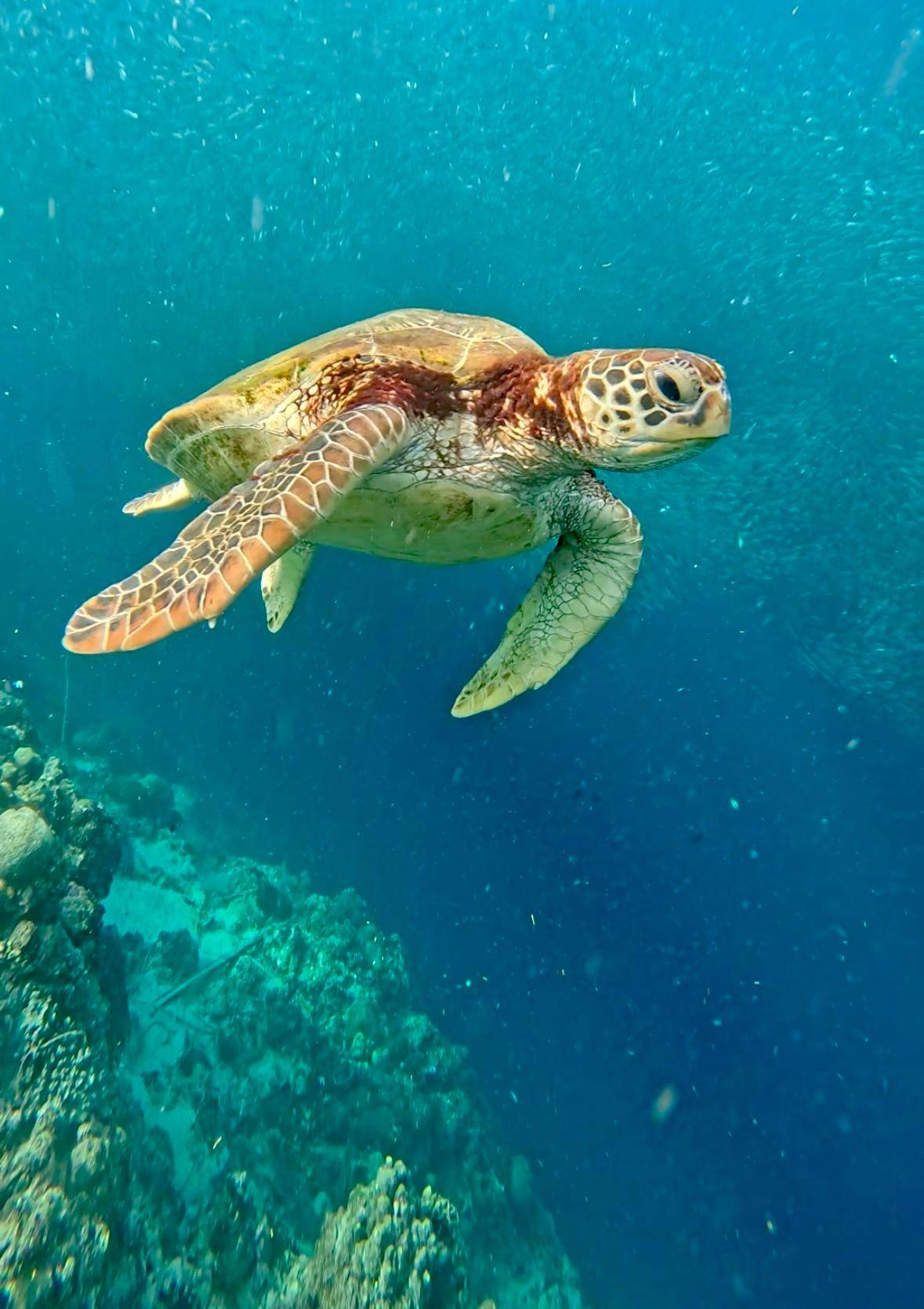
The turtles of Moalboal do not hide. The municipality says you will often find them near the area where the sardines swirl, off Panagsama, or a short boat ride away, and that local guides can point them out.1 A snorkeler can meet one within minutes of swimming out from the beach steps, grazing on the reef in water shallow enough to see every plate of its shell.
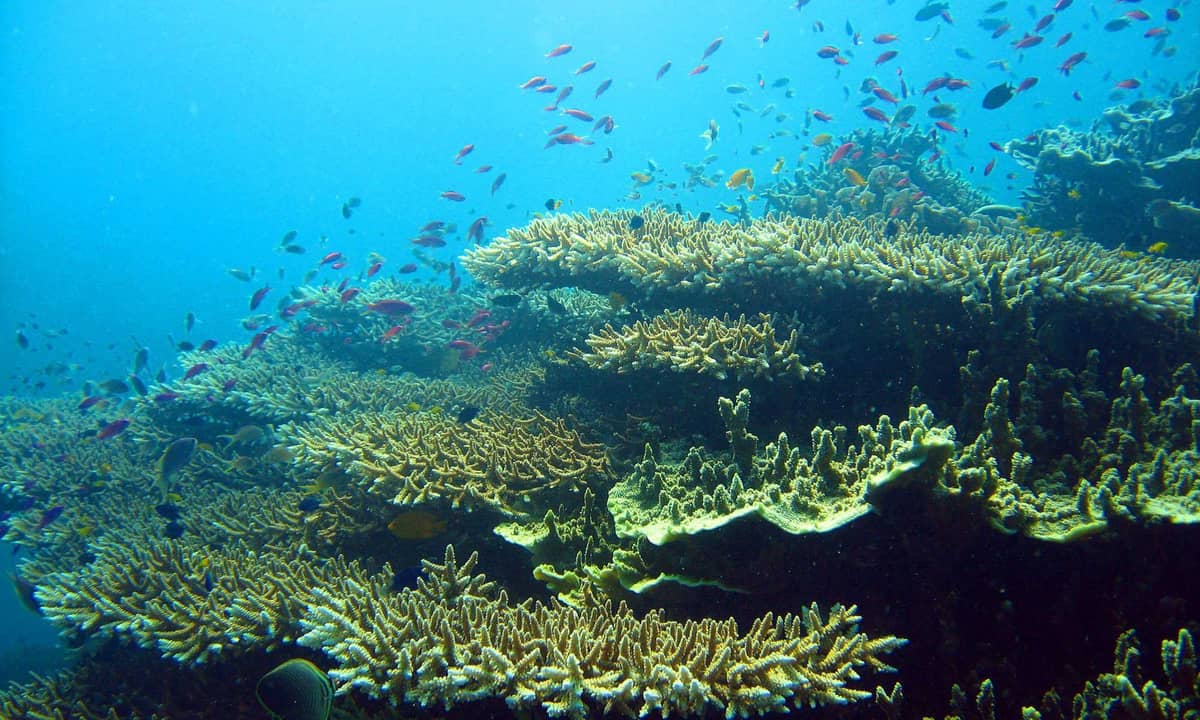
Boat days add a second chance. The town's island-hopping tours usually include a turtle point along with Pescador Island and the sardines.5 One snorkeling tour names Talisay Point for its turtles, and another names Panagsama Beach. Wherever you look, the reef flat and the edge where it drops away are the places to scan.
The water they live in is protected at every scale. The town lies on the Tañon Strait, which it calls the country's largest marine protected area and an important habitat for marine mammals, sea turtles and coral reefs.6 The Coral Triangle around it is home to 6 of the world's 7 known species of marine turtles.7
A meeting
You spot it
Float still and let it carry on feeding.
It feeds
Never touch or feed it.4
It rises
Move aside so it can reach the surface.
It breathes
No chasing, no circling with other swimmers.
It leaves
Do not follow it when it turns away.
The town's advice for turtles is morning or early afternoon.1 For the sardines nearby, the municipality's tip is to go between 7 and 9 AM, when visibility is best.8 One early swim can give you both: the shoal first, then a slow look along the reef for a grazing shell.
Weather counts as much as the clock. One turtle snorkeling tour notes that visibility depends on weather conditions. The dry season from December to May is the Cebu Provincial Tourism Office's pick for diving and snorkeling.9
Give yourself time. A turtle that is feeding stays put for a long while, and one that is resting on the bottom rises only when it needs air. Float above, breathe slowly and wait: the reward for patience is watching it swim up past you to the surface, take a breath and sink back down to the reef as if you were not there.
Time in the water
Two species
| Feature | Green turtle | Hawksbill |
|---|---|---|
| Main food | Algae and seagrasses | Sponges |
| Adult length | About 0.9 to 1.2 m | About 0.6 to 0.9 m shell |
| Adult weight | About 136 to 159 kg | About 45 to 68 kg |
| World status (IUCN) | Least Concern since 2025 | Critically Endangered |
| Migratory species treaty | Appendices I and II since 1979 | Appendix I since 1985 |
From NOAA Fisheries, the IUCN and the Convention on Migratory Species; the Philippines lists the green turtle as endangered.101112131415162
Three trips
Up to 10 peopleSmall group from Cebu
 Turtles at Talisay Point
Snorkel day from Cebu
 Dive and snorkel
Day trip from Cebu
Decision helper
Choose by how you want to meet them
Limited to 10 people.
2 hours at Pescador, turtles at Talisay Point.
Open to first-time and licensed divers.
The turtle snorkel tour takes no children under 7.
Turtles are often near the sardines.1
Never feed or attempt to feed or touch sea turtles as it changes their natural behavior and may make them more susceptible to harm.
The Moalboal listings name green turtles; the hawksbill, also protected in the Philippines, looks similar at first glance. The green turtle is the only sea turtle that lives on plants: it eats mainly algae and seagrasses.10 A typical adult is about 0.9 to 1.2 m long and weighs about 136 to 159 kg, with a dark brown, grey or olive shell and a much lighter underside.12
The hawksbill is smaller and sharper. It is the only sea turtle that can survive on a diet made mostly of sponges, and adults reach about 0.6 to 0.9 m in shell length and 45 to 68 kg.1113 Look at the head: a hawksbill has a narrow, pointed beak, made for picking sponges out of cracks, while a green turtle's face is short and rounded.
Their fortunes differ too. In its October 2025 update the IUCN moved the green turtle from Endangered to Least Concern worldwide, thanks to decades of conservation work.14 The Philippines still lists it as endangered on the national list of threatened species, and the hawksbill remains Critically Endangered.215
Checklist
Price check
Choose a trip and the number of people
Total from$234
from, per person $117
Check availabilityfree cancellationSums multiply a trip's starting GetYourGuide price per diver by your group size and convert it with today's European Central Bank rate; your exact total appears when you book.
Video
The clip loads from YouTube only once you tap play.
Moalboal protects its turtles by its own ordinance. Ordinance No. 11 of 2002 bans the taking, catching, selling, possessing and transporting of turtles and reef sharks.3 The town and the Tañon Strait office have also looked for sites for a marine turtle conservation area within the municipality.17
National law adds to it. The Wildlife Resources Conservation and Protection Act makes it unlawful to exploit wildlife and their habitats, including killing or destroying wildlife species.18 The Fisheries Code makes it unlawful to take, catch, sell or possess aquatic species listed in Appendix I of CITES or rated threatened by the IUCN and the government.19
International agreements cover the turtles on their travels. The green turtle has been on both appendices of the Convention on Migratory Species since 1979, and the hawksbill on Appendix II since 1979 and Appendix I since 1985.1615 For a snorkeler all of this comes down to one rule: look, and leave the animal exactly as you found it.
Never touch a turtle and never feed one. NOAA Fisheries warns that feeding or touching changes their natural behavior and may make them more susceptible to harm.4 One Moalboal snorkel listing asks guests not to touch corals, turtles or other sea life.
Keep your distance. NOAA's guidance for its own waters recommends at least 50 yards, about 46 m, by land or sea.20 On a busy reef off Panagsama that is hard to hold, but the spirit is clear: never block a turtle's way to the surface, never surround it with other swimmers and never follow it when it turns away.
Cameras are where people forget. A turtle that rises to breathe needs a clear column of water above it, so lift your head, check that nobody is hovering over it and move aside. Leave flash off, keep your fins still and let the photo come to you; a calm turtle that stays close makes a better picture than a startled one swimming off.
If you sleep in Moalboal, plan the turtles around the sardines. Be at the beach steps at Panagsama early, when the town's tip puts visibility at its best, swim out to the shoal and then turn along the reef; the municipality says turtles are often found near the sardines.81 Two of the town's great sights can fit into one swim before breakfast.
If you come from Cebu for the day, the turtle stop is usually later. The small-group turtle tour spends 2.5 hours in the van before its 1.5 hours at Moalboal, and its day runs to 10 hours with Mantayupan Falls on the way back. Bring water, a hat and a dry layer for the drive home.
Whichever way you come, leave a margin in your plans. Listings warn that wild animals cannot be guaranteed, and boat trips can be rescheduled in bad weather. A spare morning in Moalboal is the surest plan: if the sea is rough on the first day, the turtles will still be grazing on the second.
You can meet the turtles at snorkeling depth, and a mask and fins are all you need. The turtle snorkel tour sold on this page spends 1.5 hours at Moalboal for swimming, snorkeling and wildlife viewing, in a small group of up to 10, and does not take children under 7.
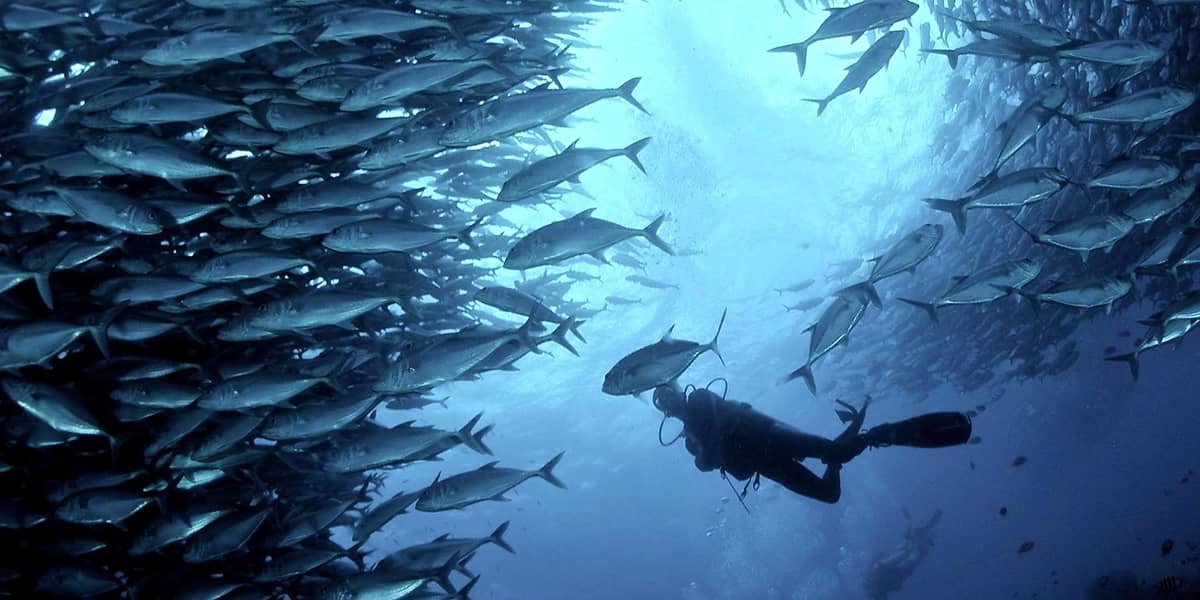
Diving with sea turtles in Moalboal shows you the other half of their day. Below, you see them resting under ledges and feeding on the reef wall, and a calm diver can hover nearby for a long time. One dive day combines a scuba dive with the sardines and a turtle snorkel, and it is open to first-time and licensed divers.
Either way, go with someone who knows the reef. The town says local guides can point turtles out, and it regulates its snorkeling guides by ordinance with uniform rates.121 Swim with a buddy, as official ocean-safety advice puts it, and stay in sight of your boat or the shore.22
Plan your dive
Hotel pickup across Cebu, an instructor, the gear and Pescador snorkeling.
Near the sardines off Panagsama. Or a short boat ride away, says the town; local guides can point them out.1
Morning or early afternoon. That is the municipality's advice.1
No. NOAA warns it changes their behavior and may make them more susceptible to harm.4
No. A 2002 town ordinance bans taking, selling or possessing turtles.3
Up to about 1.2 m. A typical adult is 0.9 to 1.2 m long.12
In the Philippines, yes. The national list says endangered, though the IUCN moved them to Least Concern in 2025.214
From age 7. The tour on this page does not take children under 7.
Sources